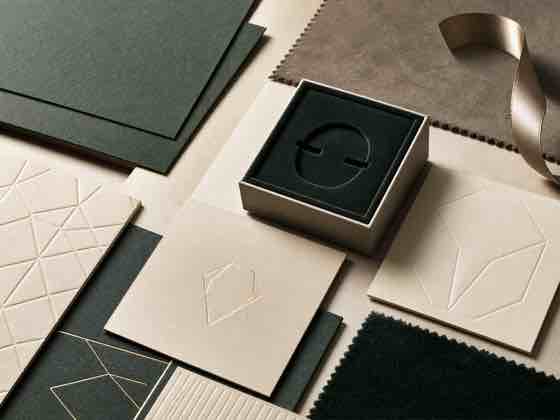
Use these buyer-focused resources to prepare a clearer jewelry packaging brief, compare options and define what should be approved before bulk production.
Start with the five decisions that shape packaging
Product and function
Define jewelry dimensions, delicate areas, presentation and protection needs.
Material and brand
Compare structure, surface, color and logo method as one visual system.
Order and delivery
Plan quantity by item, sample approval, packing, destination and reorder requirements.
Build the specification in the right order
- Choose the product format. Start with the jewelry and intended sales channel.
- Confirm material and finish direction. Review physical samples where touch or color matters.
- Develop the insert. Use real jewelry or accurate verified dimensions.
- Approve a representative sample. Check appearance, function and packing.
- Record the production reference. Keep the approved specification for checks and reorders.
Explore the resource library
- Jewelry box formats
- Materials and finishes
- Logo finishes
- Custom inserts
- Development process
- Quality control
- Guide for new brands
Prepare a useful RFQ
Include the packaging type, jewelry dimensions, quantity by size, preferred material or reference style, logo artwork, destination country and required timing. If a decision is still open, explain the intended use and the trade-off you want to evaluate.
Use the guides as a decision record
Save the decisions that affect the approved result: inside and outside dimensions, structure, substrate, surface color, logo method and size, insert layout, accessories and individual packing. A useful record distinguishes confirmed requirements from open questions. It also identifies the physical sample, material swatch or color reference that should be used when the order is checked.
For a packaging family, review each component separately and then pack the system in sequence. A box may look correct on its own but create problems when placed inside a pouch, shopping bag or shipping carton. Component quantities should also be compared so the order does not leave unusable excess stock in one item.
During supplier comparison, use the same brief and ask each proposal to state its assumptions. A lower quotation may reflect a different structure, material, insert or packing method rather than the same specification. Comparable inputs create more useful commercial decisions.
Common planning questions
Should material be selected before structure?
Start with the product and function. Structure and material should then be compared together because each can limit the other.
When is a physical sample most important?
Use a sample when dimensions, opening movement, jewelry fit, touch, color or logo execution affect approval.
How should a repeat order be prepared?
Reference the approved sample and written specification, confirm quantity and destination, and ask whether any material or process has changed.